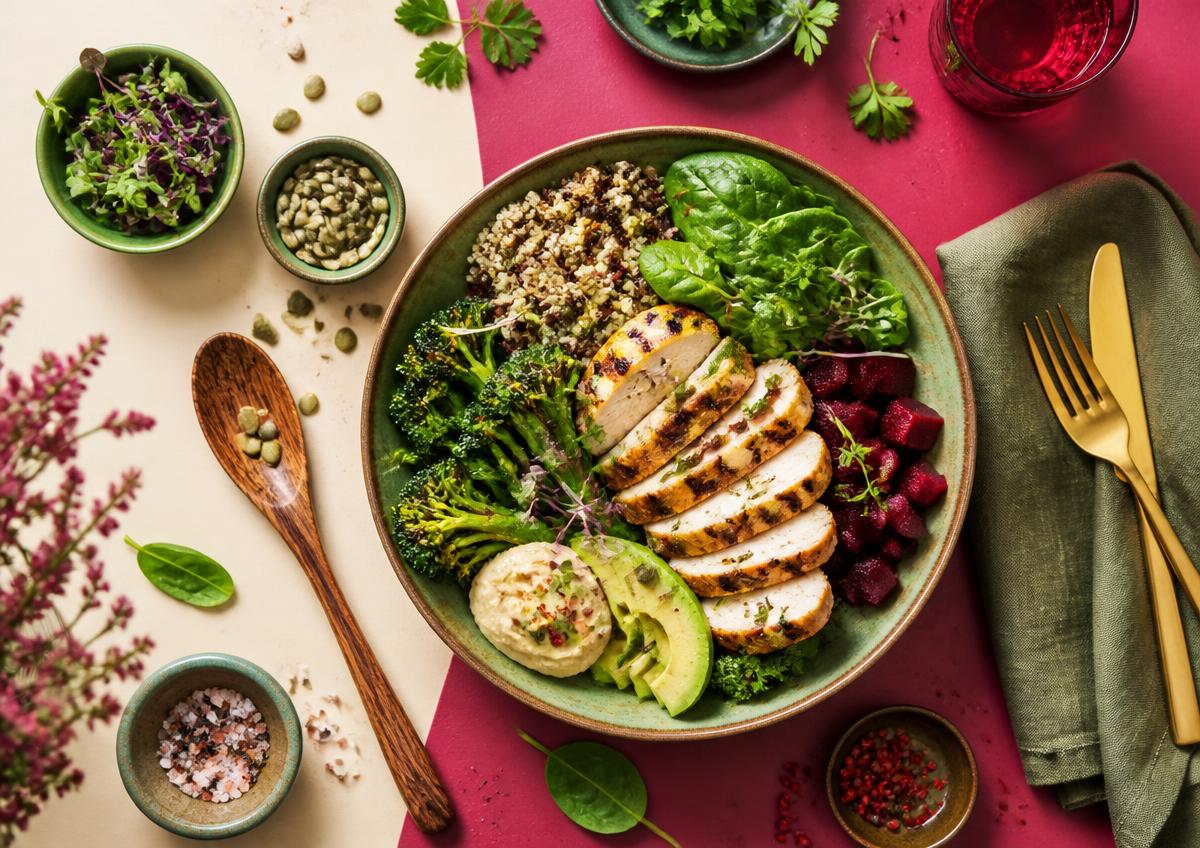
Built around our six nutrition pillars. These recipes lead with protein at every meal, fibre, calcium with vitamin D, and whole-food phytoestrogens. Real ingredients, weeknight-friendly. There's no special menopause diet to buy into.
Seven complete recipes, enough to start this week. No login, no paywall. Explore all 27 recipe ideas freely; Premium opens the remaining methods.
What are you actually trying to fix?
Tap one to find recipes with relevant ingredients. Tap again to see everything. These are food choices, not symptom treatments; evidence for food alone improving hot flashes, sleep, mood or brain fog is limited.
All 27 recipes shown
Free for everyone · cook tonight
Three midlife-smart meals you don't need a recipe for.
One breakfast, one main, one cold salad. Each of these three listed portions supplies at least 22 g protein, with fibre or calcium alongside it. The portions make the numbers, not a menopause label.
Free · cook tonight · 5 min · Serves 1
Cottage cheese & seeded toast
≈35 g protein · 6 g fibre · 235 mg calcium
calcium
protein
seeds
Why it earns its place: Protein from cottage cheese, fibre from rye and seeds, with calcium in the mix.
Grade B: nutrition guidance, not a trial of this recipe.
Portions behind the estimate
Per person, for the ingredients listed below only. Seasonings, oils and unlisted extras aren't counted. Brands and cooking change the values; calcium doesn't establish a vitamin D amount.
Toast the rye. Spoon the cottage cheese on top, scatter the pumpkin seeds and finish with pepper and a little honey if you like.
The portions below are the basis for the estimate. Your bread and cheese label may differ.
Free · cook tonight · 25 min · Serves 2
Miso salmon traybake
≈41 g protein · 7 g fibre · 119 mg calcium
omega-3
calcium
contains soy
Why it earns its place: Oily fish, a generous serving of greens and a glaze that does the flavour work.
Grade B: nutrition guidance, not a trial of this recipe.
Portions behind the estimate
Per person, for the ingredients listed below only. Seasonings, oils and unlisted extras aren't counted. Brands and cooking change the values; calcium doesn't establish a vitamin D amount.
2 salmon fillets, enough for about 140 g cooked Chinook salmon per person
400 g broccoli
1 tbsp white miso
1 tsp mirin
Grated ginger and sesame oil, to taste
How to
Heat the oven to 200°C / 400°F. Mix the miso, mirin and ginger. Spread over the salmon.
Toss the broccoli with a little sesame oil and arrange beside the salmon on a tray. Roast for 12 to 15 minutes, checking the fish reaches 63°C / 145°F in the thickest part. Thick fillets may take longer.
Miso adds flavour and contains soy. A spoonful of glaze isn't the same as a serving of tofu or edamame.
Free · cook tonight · 10 min · Serves 1
Lentil tabbouleh with feta
≈25 g protein · 16 g fibre · 285 mg calcium
fibre
calcium
pulses
Why it earns its place: Lentils bring protein and fibre; feta adds calcium and saltiness.
Grade B: nutrition guidance, not a trial of this recipe.
Portions behind the estimate
Per person, for the ingredients listed below only. Seasonings, oils and unlisted extras aren't counted. Brands and cooking change the values; calcium doesn't establish a vitamin D amount.
Toss the lentils with the herbs, lemon juice and olive oil. Crumble over the feta. Taste before adding salt.
Refrigerate promptly in a covered container. Eat within three days; keep it chilled if taking it out for lunch.
Cooked lentils count. A tin or ready-cooked pouch makes this a no-stove lunch.
Free for everyone · deeply coloured plants
Put some colour on the plate.
Red cabbage, beets, purple-fleshed sweet potato and black beans, with full ingredients and methods. These are everyday meals, not symptom treatments. The berry powder and extract trials don't establish benefits for these recipes. Read the blue-purple nutrition context.
Free · cook tonight · 15 min · Serves 2
Red cabbage & edamame slaw
≈26 g protein · 11 g fibre · 335 mg calcium
deeply coloured plants
red cabbage
whole soy
fibre
Why it earns its place: Red cabbage puts a deeply coloured vegetable in a crunchy lunch; edamame adds protein and fibre.
Grade B: nutrition guidance, not a trial of this recipe.
Portions behind the estimate
Per person, for the ingredients listed below only. Seasonings, oils and unlisted extras aren't counted. Brands and cooking change the values; calcium doesn't establish a vitamin D amount.
400 g shelled edamame, cooked weight (prepare frozen edamame according to the packet)
2 spring onions, thinly sliced
1 tbsp olive oil
2 tbsp lime juice
1 tsp grated fresh ginger
1 tsp reduced-sodium soy sauce or tamari
Black pepper, to taste
How to
Cook the edamame according to the packet. Drain, rinse under cold running water and drain well. Weigh out 400 g.
Wash the cabbage and spring onions. Shred the cabbage thinly and put it in a large bowl with the spring onions.
Whisk the olive oil, lime juice, ginger and soy sauce or tamari in a small bowl.
Add the edamame and dressing to the cabbage. Toss well and leave for 5 minutes to soften slightly.
Divide between two bowls. Taste and add black pepper or a little more lime. Serve as a lunch bowl, or split into smaller portions beside a main.
Contains soy. Tamari isn’t always gluten-free; check the label if that matters for you. The estimate uses cooked green soybeans as the reference for edamame.
Free · cook tonight · 15 min · Serves 2
Beet, lentil & feta bowls
≈28 g protein · 19 g fibre · 309 mg calcium
deeply coloured plants
beets
pulses
calcium
contains dairy
Why it earns its place: Beets bring colour, lentils add protein and fibre, and feta adds calcium. A ready-cooked lunch without turning on the oven.
Grade B: nutrition guidance, not a trial of this recipe.
Portions behind the estimate
Per person, for the ingredients listed below only. Seasonings, oils and unlisted extras aren't counted. Brands and cooking change the values; calcium doesn't establish a vitamin D amount.
Cut the cooked beets into bite-sized wedges. Drain and rinse the lentils, then shake off excess water.
Whisk the oil, lemon juice, mustard and black pepper in a large bowl.
Add the lentils, beets and parsley. Toss gently until coated.
Divide between two bowls and crumble 50 g feta over each. Taste before adding salt; feta already brings plenty.
Serve at room temperature, or cover and chill promptly for a cold lunch.
Use plain ready-cooked beets for the 15-minute version. Beets belong in a colourful plate, but their red pigment isn’t anthocyanin.
Free · cook tonight · 45 min · Serves 2
Purple sweet potato & tofu traybake
≈32 g protein · 12 g fibre · 1121 mg calcium
deeply coloured plants
purple sweet potato
whole soy
contains sesame
calcium
Why it earns its place: Purple-fleshed sweet potato makes the colour the centre of dinner, with tofu as the protein anchor and a lemon-tahini finish.
Grade B: nutrition guidance, not a trial of this recipe.
Portions behind the estimate
Per person, for the ingredients listed below only. Seasonings, oils and unlisted extras aren't counted. Brands and cooking change the values; calcium doesn't establish a vitamin D amount.
The sweet potato subtotal uses USDA’s generic raw sweet potato record for the 250 g raw portion per person, not a purple-specific record. Varieties differ; this isn’t an anthocyanin estimate.
500 g purple-fleshed sweet potato, scrubbed and cut into 2 cm cubes
300 g firm calcium-set tofu, drained and patted dry
1½ tbsp olive oil
1 tsp ground cumin
½ tsp smoked paprika
¼ tsp salt, plus black pepper to taste
2 tbsp tahini
2 tbsp lemon juice
2 to 4 tbsp water, to loosen the sauce
How to
Heat the oven to 220°C / 425°F. Line a large baking tray. Choose sweet potatoes with purple flesh, not only purple skin.
Cut the sweet potato into even 2 cm cubes. Cut the tofu into similar-sized pieces.
Toss the sweet potato and tofu with the oil, cumin, paprika, salt and pepper. Spread in one layer; use two trays if they’re crowded.
Roast for 30 to 35 minutes, turning halfway, until a fork slides easily into the sweet potato and the tofu edges are golden. Give firm pieces another 5 minutes if needed.
Whisk the tahini and lemon juice with 2 tbsp water. Add more water a spoonful at a time until pourable.
Divide the traybake between two plates and drizzle with the sauce.
Contains soy and sesame. Orange sweet potato works if purple isn’t available, but it won’t give you the same blue-purple ingredient.
Free · cook tonight · 25 min · Serves 2
Smoky black bean & tomato bowls
≈26 g protein · 25 g fibre · 86 mg calcium
deeply coloured plants
black beans
pulses
fibre
Why it earns its place: Black beans put a deeply coloured plant, protein and fibre in the same bowl. Tinned beans keep dinner straightforward.
Grade B: nutrition guidance, not a trial of this recipe.
Portions behind the estimate
Per person, for the ingredients listed below only. Seasonings, oils and unlisted extras aren't counted. Brands and cooking change the values; calcium doesn't establish a vitamin D amount.
500 g cooked black beans, drained and rinsed (about 2 tins; check drained weights)
200 g cooked brown rice
1 small onion, finely chopped
1 garlic clove, finely chopped
300 g chopped tomatoes, fresh or tinned
1 tbsp olive oil
1 tsp smoked paprika
1 tsp ground cumin
100 ml water
1 tbsp lime juice
Black pepper and chopped coriander, to taste
How to
Heat the oil in a saucepan over medium heat. Add the onion and cook for 5 minutes, stirring, until softened.
Add the garlic, paprika and cumin. Stir for 30 seconds, then add the tomatoes and water.
Stir in the drained black beans. Bring to a gentle simmer and cook uncovered for 10 to 12 minutes, stirring occasionally, until the sauce thickens. Mash a few beans with the back of a spoon if you like a thicker sauce.
Meanwhile, prepare the rice according to the packet or your usual method. Weigh out 200 g cooked rice. Ready-cooked rice keeps this a 25-minute meal.
Stir the lime juice into the beans and taste before adding salt. Divide the rice between two bowls, spoon over the beans and finish with coriander and black pepper.
The bean subtotal uses cooked, boiled black beans; tinned brands differ. The tomato subtotal uses fresh tomatoes as a reference. Use ready-cooked rice for the stated time.
The Recipes shelf
One library. Fourteen shelves.
Editorial choices stay sponsor-blind. Each shelf has a useful free layer. Here, you can see every title, ingredient focus, portion estimate and evidence link before deciding whether you want the full methods.
27 recipes · 7 complete free recipes · 20 more methods in Premium
Breakfast · 5 min · Serves 1
Greek yogurt parfait with flax & berries
≈22 g protein · 6 g fibre · 245 mg calcium
calcium
berries
seeds
Why it earns its place: Yogurt, seeds and berries put protein and fibre in the same bowl.
Grade B: nutrition guidance, not a trial of this recipe.
Portions behind the estimate
Per person, for the ingredients listed below only. Seasonings, oils and unlisted extras aren't counted. Brands and cooking change the values; calcium doesn't establish a vitamin D amount.
Why it earns its place: Calcium-set tofu brings protein; spinach and toast round out breakfast.
Grade B: nutrition guidance, not a trial of this recipe.
Portions behind the estimate
Per person, for the ingredients listed below only. Seasonings, oils and unlisted extras aren't counted. Brands and cooking change the values; calcium doesn't establish a vitamin D amount.
Why it earns its place: Fish brings protein and omega-3 fats; rye adds fibre.
Grade B: nutrition guidance, not a trial of this recipe.
Portions behind the estimate
Per person, for the ingredients listed below only. Seasonings, oils and unlisted extras aren't counted. Brands and cooking change the values; calcium doesn't establish a vitamin D amount.
Why it earns its place: Oats, seeds and fortified soy milk bring fibre and calcium.
Grade B: nutrition guidance, not a trial of this recipe.
Portions behind the estimate
Per person, for the ingredients listed below only. Seasonings, oils and unlisted extras aren't counted. Brands and cooking change the values; calcium doesn't establish a vitamin D amount.
Why it earns its place: Chicken and beans put protein and fibre on one tray.
Grade B: nutrition guidance, not a trial of this recipe.
Portions behind the estimate
Per person, for the ingredients listed below only. Seasonings, oils and unlisted extras aren't counted. Brands and cooking change the values; calcium doesn't establish a vitamin D amount.
Why it earns its place: Tempeh and vegetables make a plant-protein main.
Grade B: nutrition guidance, not a trial of this recipe.
Portions behind the estimate
Per person, for the ingredients listed below only. Seasonings, oils and unlisted extras aren't counted. Brands and cooking change the values; calcium doesn't establish a vitamin D amount.
Why it earns its place: Sardines with edible bones bring calcium alongside oily fish.
Grade B: nutrition guidance, not a trial of this recipe.
Portions behind the estimate
Per person, for the ingredients listed below only. Seasonings, oils and unlisted extras aren't counted. Brands and cooking change the values; calcium doesn't establish a vitamin D amount.
Mains · 10 min hands-on · 30 min simmer · Serves 4
Lentil & sweet potato dahl
≈18 g protein · 17 g fibre · 64 mg calcium
pulses
fibre
Why it earns its place: Lentils and sweet potato make a fibre-rich main.
Grade B: nutrition guidance, not a trial of this recipe.
Portions behind the estimate
Per person, for the ingredients listed below only. Seasonings, oils and unlisted extras aren't counted. Brands and cooking change the values; calcium doesn't establish a vitamin D amount.
Why it earns its place: A protein main with vegetables; lamb needn't be an everyday choice.
Grade B: nutrition guidance, not a trial of this recipe.
Portions behind the estimate
Per person, for the ingredients listed below only. Seasonings, oils and unlisted extras aren't counted. Brands and cooking change the values; calcium doesn't establish a vitamin D amount.
Why it earns its place: Fish and beans pair protein with fibre.
Grade B: nutrition guidance, not a trial of this recipe.
Portions behind the estimate
Per person, for the ingredients listed below only. Seasonings, oils and unlisted extras aren't counted. Brands and cooking change the values; calcium doesn't establish a vitamin D amount.
Why it earns its place: Vegetables, tahini and yogurt add fibre and calcium alongside a main.
Grade B: nutrition guidance, not a trial of this recipe.
Portions behind the estimate
Per person, for the ingredients listed below only. Seasonings, oils and unlisted extras aren't counted. Brands and cooking change the values; calcium doesn't establish a vitamin D amount.
Why it earns its place: Edamame brings whole soy and protein to a crunchy side.
Grade B: nutrition guidance, not a trial of this recipe.
Portions behind the estimate
Per person, for the ingredients listed below only. Seasonings, oils and unlisted extras aren't counted. Brands and cooking change the values; calcium doesn't establish a vitamin D amount.
Why it earns its place: White beans and kale make a fibre-rich side.
Grade B: nutrition guidance, not a trial of this recipe.
Portions behind the estimate
Per person, for the ingredients listed below only. Seasonings, oils and unlisted extras aren't counted. Brands and cooking change the values; calcium doesn't establish a vitamin D amount.
Why it earns its place: Fruit, nuts and ground flax make a quick fibre-containing snack.
Grade B: nutrition guidance, not a trial of this recipe.
Portions behind the estimate
Per person, for the ingredients listed below only. Seasonings, oils and unlisted extras aren't counted. Brands and cooking change the values; calcium doesn't establish a vitamin D amount.
Why it earns its place: Chickpeas make a pulse-based snack with protein and fibre.
Grade B: nutrition guidance, not a trial of this recipe.
Portions behind the estimate
Per person, for the ingredients listed below only. Seasonings, oils and unlisted extras aren't counted. Brands and cooking change the values; calcium doesn't establish a vitamin D amount.
Why it earns its place: Berries and seeds add fibre; the soy milk supplies some protein and calcium.
Grade C: symptom evidence is limited; this recipe isn’t a treatment.
Portions behind the estimate
Per person, for the ingredients listed below only. Seasonings, oils and unlisted extras aren't counted. Brands and cooking change the values; calcium doesn't establish a vitamin D amount.
Why it earns its place: Edible sardine bones bring calcium; rye adds fibre.
Grade B: nutrition guidance, not a trial of this recipe.
Portions behind the estimate
Per person, for the ingredients listed below only. Seasonings, oils and unlisted extras aren't counted. Brands and cooking change the values; calcium doesn't establish a vitamin D amount.
Why it earns its place: A small sweet option with nuts and cocoa, without a sleep-treatment promise.
Grade C: symptom evidence is limited; this recipe isn’t a treatment.
Portions behind the estimate
Per person, for the ingredients listed below only. Seasonings, oils and unlisted extras aren't counted. Brands and cooking change the values; calcium doesn't establish a vitamin D amount.
Why it earns its place: Fortified soy milk and tahini bring some protein and calcium.
Grade C: symptom evidence is limited; this recipe isn’t a treatment.
Portions behind the estimate
Per person, for the ingredients listed below only. Seasonings, oils and unlisted extras aren't counted. Brands and cooking change the values; calcium doesn't establish a vitamin D amount.
Sweet & soothing · 5 min hands-on · 20 min oven · Serves 2
Baked pears with ricotta & walnuts
≈7 g protein · 7 g fibre · 134 mg calcium
fruit
calcium
nuts
Why it earns its place: Ricotta, pears and walnuts make a fruit-led dessert.
Grade C: symptom evidence is limited; this recipe isn’t a treatment.
Portions behind the estimate
Per person, for the ingredients listed below only. Seasonings, oils and unlisted extras aren't counted. Brands and cooking change the values; calcium doesn't establish a vitamin D amount.
Nutrition and activity fit alongside care, with realistic expectations. These documents aren't trials of our recipes; population counts don't apply to guidance summaries.
Nutrition, activity, alcohol, smoking and weight are addressed as first-line levers for vasomotor symptoms in Canada's national menopause guideline — with realistic expectations of how much they move the needle.
Clinical guidelineSOGC Clinical Practice Guideline No. 422a — VMS, therapeutics, CAM, nutrition and lifestyle · 2024
A pragmatic, primary-care-facing summary of how menopause is actually managed, including where lifestyle change fits relative to hormone and non-hormone therapy.
Cardiovascular risk changes on the clock of the menopause transition itself — visceral fat, lipids and vascular stiffness shift independently of getting older.
Clinical guidelineEl Khoudary et al. — Circulation (American Heart Association scientific statement) · 2020
The document behind 'midlife is a cardiovascular window, not just a symptom window'.
Check the stated food portions behind every nutrition estimate. Recipe subtotals aren't a lab analysis of a finished meal.
Registry / epidemiologyUSDA FoodData Central · SR Legacy food composition tables · 2018
Public USDA food composition data, not an intervention trial. Each recipe links its records. Oils, seasonings and unlisted ingredients aren't included in the nutrient subtotal.
Grade B for the observational cohort; Grade C for the small powder and extract trials. Neither proves a particular recipe changes symptoms.
Across 38,283 women, Planetary Health and low-insulinemic patterns were associated with less weight gain and lower obesity risk through menopause. This doesn't prove that a particular diet caused those outcomes.
Cohort studyXia et al., JAMA Network Open, Nurses' Health Study II (11 patterns plus ultra-processed food intake) · 2026
Grade B: a large observational comparison. Muscle loss was a possible explanation suggested in the Harvard interview, not an established mechanism in this study. Harvard reports NIH and Julie Wilcox fund support.
Postmenopausal women aged 45 to 65 with elevated blood pressure or stage 1 hypertension took 22 g a day of freeze-dried blueberry powder, roughly a cup of fresh blueberries and 224 mg of anthocyanins, for 12 weeks. Endothelial function (brachial artery flow-mediated dilation) improved, and the mechanism traced to lower oxidative stress. Blood pressure and arterial stiffness didn't change.
Randomised trialWoolf et al., Food & Function 14:2621-2641 (randomized, double-blind, placebo-controlled trial, Colorado State University) · 2023
Grade C: 43 enrolled; artery-function analysis n = 32. A small powder trial, not proof that eating fruit prevents cardiovascular disease. US Highbush Blueberry Council support is reported; read the disclosure alongside the findings.
Peri- and early postmenopausal women aged 45 to 60 took a blackcurrant anthocyanin extract (392 or 784 mg a day) or placebo for six months. Triglycerides, interleukin-1β and a marker of lipid oxidation (TBARS) all fell dose-dependently. Body composition didn't change.
Randomised trialNosal et al., Biomedicines 11(10):2834 (pilot randomized controlled trial, n = 38 completers) · 2023
Grade C: 38 completers, 392 or 784 mg extract daily for six months. Selected biomarkers changed, not body composition; fruit wasn't tested. Supported by University of Connecticut Hatch funding via USDA/NIFA; authors declared no conflicts.
Foods and supplements aren't interchangeable. Read the recommendations before treating an ingredient as a hot-flash, sleep or anxiety treatment.
Cognitive behavioural therapy and clinical hypnosis are the non-hormone approaches with enough evidence to be recommended for vasomotor symptoms. Most supplements, and several popular practices, aren't.
Clinical guidelineThe Menopause Society — 2023 nonhormone therapy position statement · 2023
The single most useful document for separating 'has trials' from 'has marketing'.
The UK's national guideline sets out what's and isn't supported for menopause symptoms, including its position on complementary therapies and unregulated preparations.
Clinical guidelineNICE NG23 — Menopause: identification and management · 2024
We're members supporting members, not registered dietitians. If you have MCAS, IBD, a history of eating disorders, diabetes or kidney disease, a registered dietitian is worth seeing. See the practitioner primer.